News
How to choose blinds for your window: plastic, wood, attic
The frame material and window shape determine which system will hold and last — we go through the main cases.
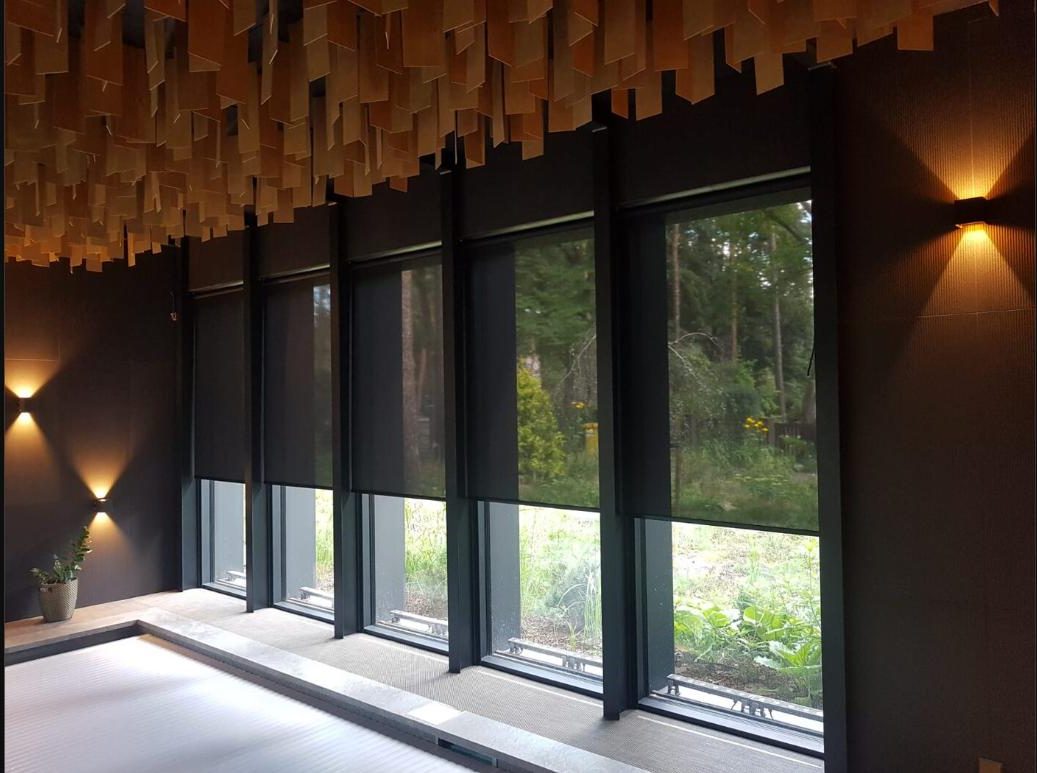
Plastic window — the most common case
Most blinds and curtains today are fitted to plastic (PVC) windows — the mounts are designed specifically for them. Almost any type works here: roller blinds mounted without drilling the frame, on brackets inside the opening, day & night blinds regulate light by alternating sheer and dense stripes, while classic aluminium blinds — the most affordable option for a kitchen or office. The choice here usually comes down not to technical limits but to what matters more to you: full darkness, some see-through visibility during the day, or easy dusting.
Wood windows and their specifics
Older wooden windows often don't have a flat, deep enough opening for cassette systems — the fittings need to be worked out individually, so these orders almost always go through an on-site measurement visit rather than the online calculator. They look good and last a long time wood blinds — they blend visually with a wooden frame instead of clashing with it. For a kitchen or bathroom, where real wood doesn't like moisture, there's a wood-look finish on a moisture-resistant base — you can't tell the difference by eye, and steam or condensation won't harm it.
Attic and sloped windows
An ordinary blind on a sloped window sags under its own weight and loses its shape — its fittings are designed for a vertical surface. Attic and roof windows need a system with side rails on both sides that holds the fabric in place in any position, including horizontal. More on this in our article about pleated blinds for skylight windows.
What else to consider besides the frame material
- Orientation and sunlight. South- and west-facing windows get more direct sun — denser fabrics or day & night blinds are often chosen here, so you can control the light through the day without covering the window completely.
- Humidity. For kitchens and bathrooms, that means moisture-resistant fabrics and an aluminium or PVC profile instead of unprotected natural wood.
- Children and pets. If you have young children at home, ask our surveyor about safety chains and systems without a freely hanging cord.
- Balcony or terrace door. Here, what's usually needed isn't a curtain, but door net or a system that doesn't get in the way of opening the sash every day.
Where to start
If you're not sure what will suit you, you don't have to figure it out on your own. Send us a photo of your window and its approximate size through the form on the site or on WhatsApp — we'll suggest a suitable option even before the measurement visit.
FAQ
Can roller blinds be fitted on a wooden window?
Yes, but this usually calls for an on-site measurement visit rather than a calculator estimate: wood windows vary in opening depth and shape, so the mounting is selected individually.
What's the difference between day & night blinds and roller blinds?
A day & night blind has two fabric layers — sheer and solid — that slide against each other to adjust the light without fully darkening the room. A roller blind is a single piece of fabric that simply lowers to the height you need.
Are regular blinds suitable for an attic window?
No, a sloped window needs a system with guide rails on both sides of the fabric, which holds it in any position — a regular blind would sag.
Read also: